With Labor Day Behind Us: 5 Things to Do Around Your Home This Weekend to Get Ready for Fall
- Savvi

- Sep 5, 2025
- 5 min read

Labor Day weekend marks the unofficial end of summer, and with it comes the perfect opportunity to tackle essential home maintenance tasks. As temperatures start to cool and the leaves begin their colorful transformation, now's the time to ensure your home is ready for the months ahead. These five weekend projects will help protect your property and keep your family comfortable throughout fall and winter.
1. Clean and Inspect Your Gutters
Your gutters work tirelessly to protect your home from water damage, making this one of the most critical fall maintenance tasks. After months of summer storms and falling debris, gutters often become clogged with leaves, twigs, and other materials that can cause serious problems.
Start by removing all accumulated debris from your gutters and downspouts. Clogged gutters can cause water to overflow, leading to damage to your roof, siding, foundation, and landscaping. When gutters are clean and flowing properly, water moves through them ten times more efficiently, preventing costly issues like foundation problems, basement flooding, and pest infestations.
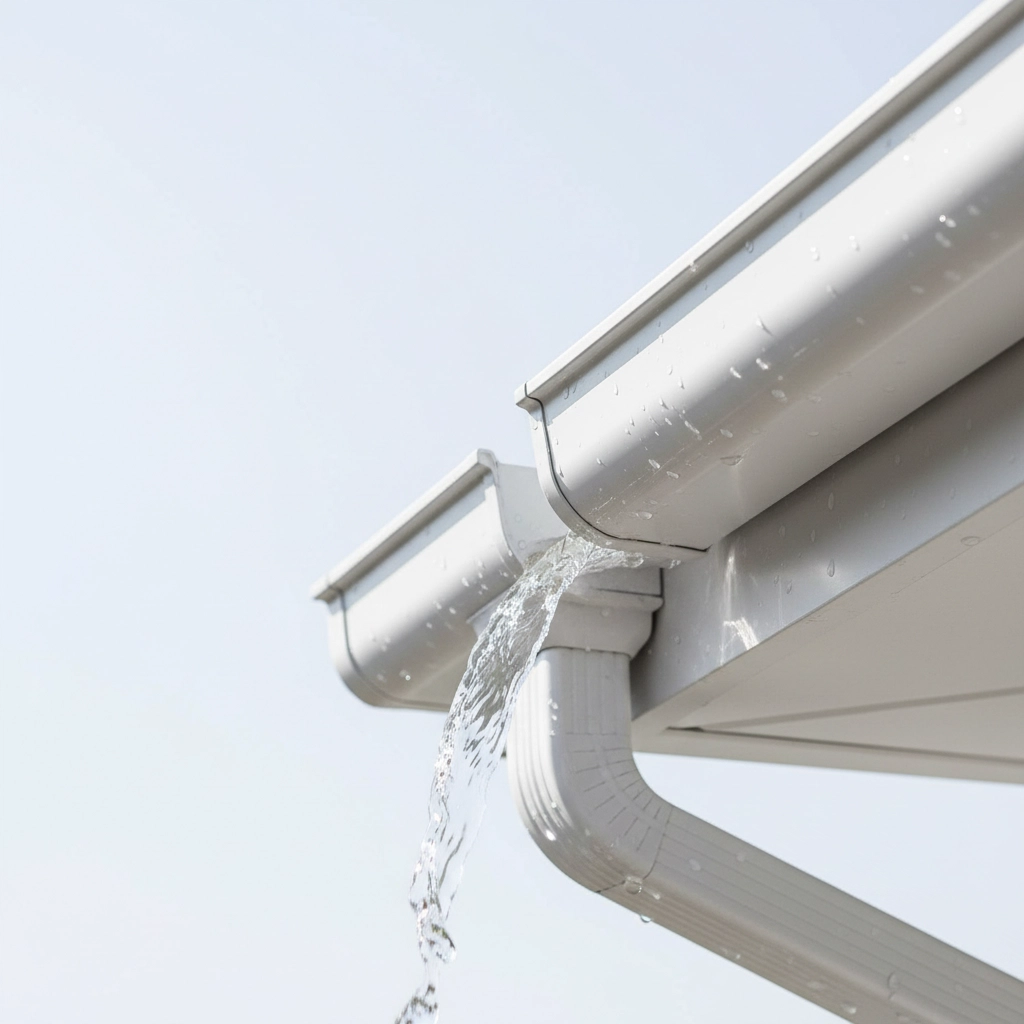
While cleaning, take time to inspect your gutters for signs of damage. Look for rust spots, loose brackets, or sections that sag. Check that downspouts are securely attached and direct water at least three feet away from your foundation. If you notice any damage, address it now before winter weather makes repairs more challenging.
For homes surrounded by trees, consider installing mesh gutter guards to reduce future maintenance needs. These protective covers allow water to flow through while keeping larger debris out, making your fall cleaning routine much more manageable in years to come.
2. Prepare Your Heating System for the Season
Before that first chilly morning catches you off guard, ensure your heating system is ready to keep your family warm and comfortable. Fall preparation of your heating system not only ensures reliability but also improves energy efficiency and safety.
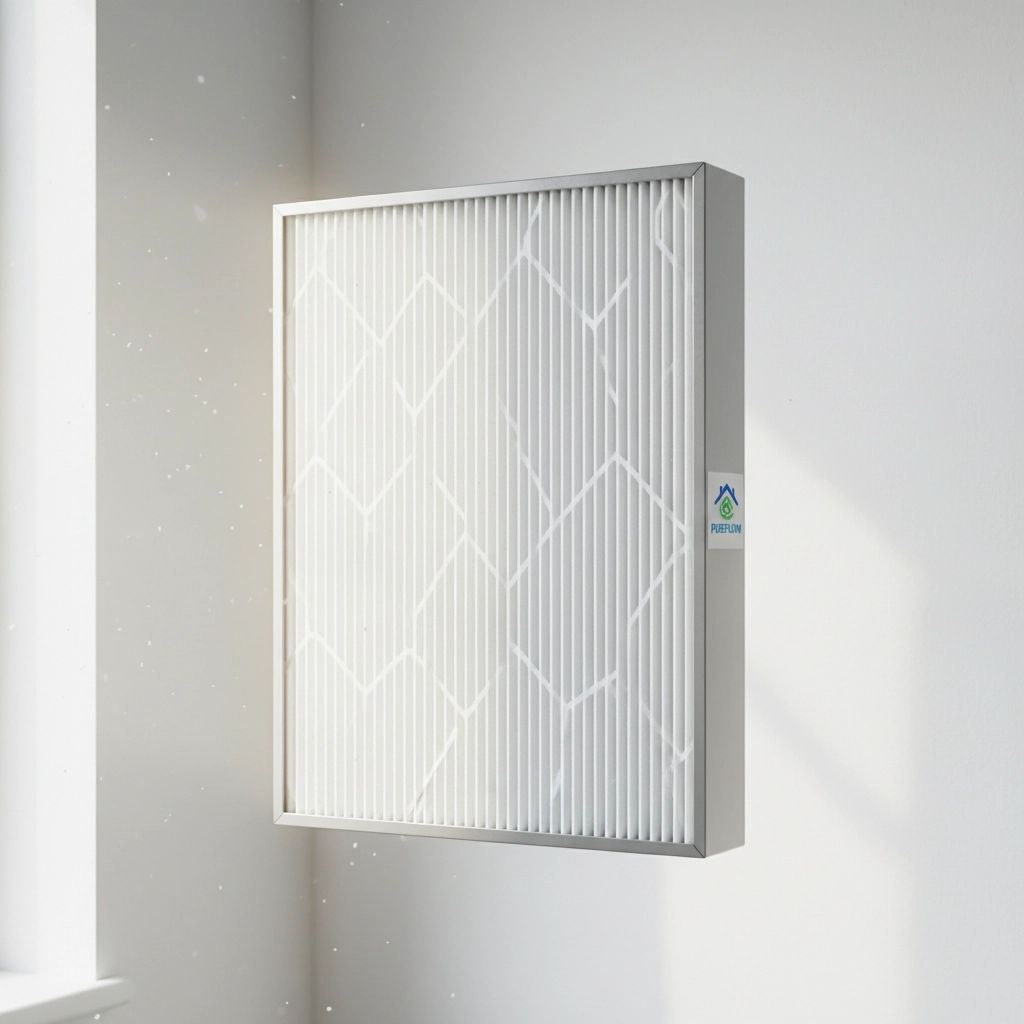
Begin by replacing or cleaning your furnace filter. A clogged filter restricts airflow, forcing your system to work harder and consume more energy while providing less effective heating. Most filters should be replaced every 90 days, but check yours monthly during heavy-use seasons.
Schedule professional maintenance for your heating system, whether it's a furnace, heat pump, or boiler. A qualified technician can identify potential issues before they become expensive emergencies and ensure your system operates at peak efficiency throughout the heating season.
If you have a fireplace or wood-burning stove, now's the time to prepare it for use. Clean out ash and debris from previous seasons, inspect the damper for proper operation, and ensure the screen is in good condition. Stock up on seasoned firewood if needed, and consider scheduling a chimney cleaning and inspection.
Don't forget about safety devices. Test all smoke and carbon monoxide detectors throughout your home, replacing batteries as needed. Carbon monoxide risks increase during heating season, making properly functioning detectors essential for your family's safety.
3. Winterize Your Outdoor Plumbing
Protecting your outdoor plumbing from freezing temperatures can save you hundreds or thousands of dollars in water damage repairs. Even a small amount of water left in pipes or hoses can expand when frozen, causing cracks and bursts that create significant problems come spring.
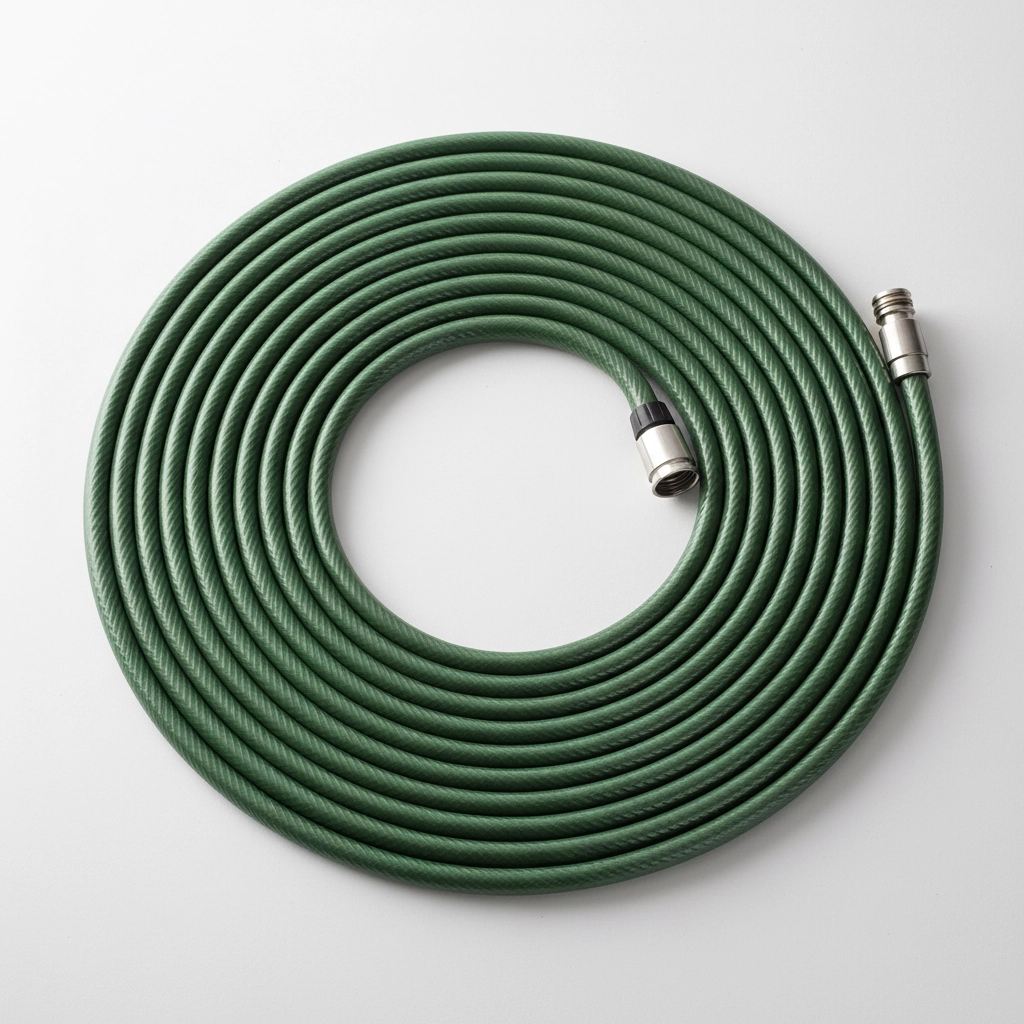
Start by disconnecting and draining all garden hoses, then store them in a garage or shed where they won't be exposed to freezing temperatures. Even "freeze-resistant" hoses can be damaged by ice formation, so proper storage is essential for extending their lifespan.
Shut off water supplies to outdoor faucets from inside your home, then open the outdoor faucets to drain any remaining water. Many homes have shut-off valves specifically for outdoor water supplies – locate these now and ensure they're working properly. If your outdoor faucets don't have individual shut-offs, consider having them installed by a plumber.
For homes with irrigation systems, proper winterization is crucial. Drain the system completely and consider having it professionally winterized if you're not comfortable doing it yourself. Sprinkler heads and underground pipes are particularly vulnerable to freeze damage, and repairs can be expensive and disruptive to your landscaping.
Insulate any exposed pipes in unheated areas like garages, crawl spaces, or basements. Pipe insulation is inexpensive and easy to install, providing excellent protection against temperature fluctuations.
4. Tackle Fall Yard and Landscape Maintenance
Your yard needs attention before going dormant for winter. Proper fall maintenance ensures your lawn and plants will emerge healthy and vibrant when spring arrives.
Begin with leaf management, one of fall's most important tasks. While it might be tempting to let leaves lie where they fall, thick layers can smother grass and create conditions for disease and pest problems. Rake leaves regularly, or better yet, use a mulching mower to chop them finely and leave them on the lawn as natural fertilizer.
Fall is an ideal time for lawn care activities that promote spring growth. Aerate compacted soil to improve water and nutrient penetration, then apply fall fertilizer designed specifically for cool-season preparation. If your lawn has bare spots, overseed now while soil temperatures are still warm but air temperatures are cooling.

Trim shrubs, trees, and bushes, removing dead or diseased branches that could become hazards in winter storms. However, avoid heavy pruning of spring-flowering plants, as you might remove next year's blooms. Focus on cleaning up flower beds, removing spent annuals, and cutting back perennials.
Prepare your garden tools for storage by cleaning them thoroughly and applying a light coat of oil to metal surfaces to prevent rust. Store them in a dry location where they'll be protected from moisture and temperature extremes.
5. Inspect and Improve Weather Protection
Your home's exterior protection becomes critically important as weather becomes more severe. A thorough inspection now can identify vulnerabilities before they become problems during winter storms.
Start with a roof inspection, looking for missing, loose, or damaged shingles. Use binoculars to examine your roof safely from the ground, or hire a professional if you're not comfortable doing the inspection yourself. Look for signs of wear around chimneys, vents, and other roof penetrations where leaks commonly develop.
Check your home's insulation, particularly in the attic. Proper insulation prevents warm air from escaping, reducing energy costs and preventing ice dam formation. Most attics should have insulation with an R-value between R-30 and R-49, depending on your climate zone. If your insulation appears sparse or has settled significantly, consider adding more before heating season begins.
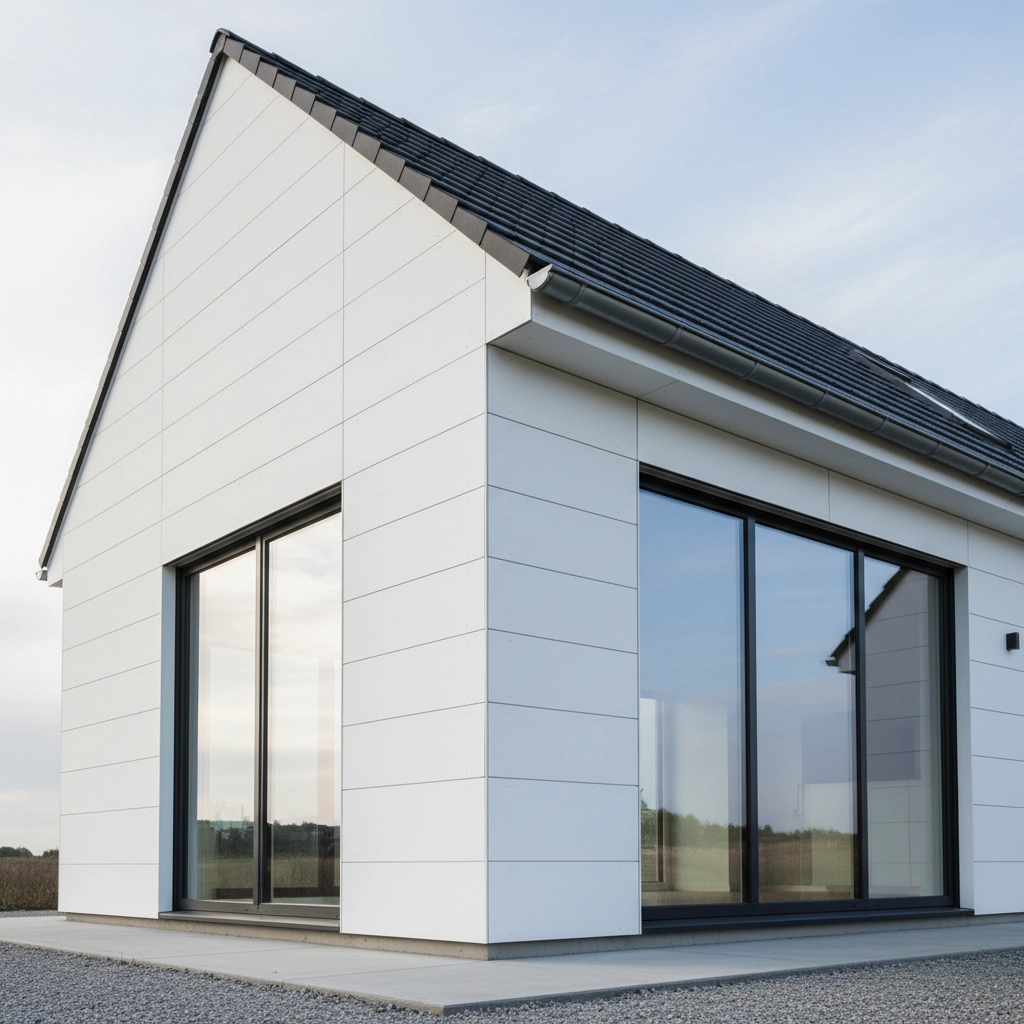
Examine windows and doors for gaps or cracks that allow air infiltration. Apply weatherstripping or caulk where needed to improve energy efficiency and comfort. Storm windows and doors provide an additional barrier against cold air and should be inspected and installed if you use them.
Walk around your home's exterior, looking for cracks in the foundation, gaps in siding, or other openings that could allow moisture or pests inside. Address these issues promptly to prevent them from worsening during freeze-thaw cycles.
Taking Action This Weekend
These five tasks might seem overwhelming, but breaking them into manageable chunks makes them entirely achievable over a weekend or two. Start with the most critical items – gutter cleaning and heating system preparation – then tackle the others as time permits.
Remember that investing time in fall preparation pays dividends throughout the cold season. Well-maintained gutters prevent water damage, a properly serviced heating system runs efficiently and safely, protected plumbing avoids costly freeze damage, a prepared yard emerges healthy in spring, and good weather protection keeps your home comfortable and energy-efficient.
Don't hesitate to call professionals for tasks beyond your comfort level or expertise. The cost of professional maintenance is typically far less than emergency repairs, and many problems are much easier and cheaper to address before they become urgent.
Your home works hard to protect your family year-round. Taking time this fall to prepare it for the challenges ahead ensures it will continue serving you well throughout the cooler months and beyond.
Comments