The Winter Power Outage Survival Guide: Keeping Your Family Safe

Picture this: It's 2 AM on a frigid February night. An ice storm knocks out power across your neighborhood. Your heat stops running. Your phone's at 12%. Now you’re in the dark, and the goal is simple: keep your family safe, prevent avoidable damage, and stay ready for a smooth restart when the power comes back.
Winter power outages cost Americans billions annually in property damage, spoiled food, and emergency expenses. But here's what most people don't realize: the biggest risk isn't just losing power: it's losing the protection your home needs exactly when it's most vulnerable.
Let's fix that.
The Real Cost of Going Dark
Winter outages are different beasts. You're not just dealing with inconvenience: you're racing against frozen pipes, carbon monoxide risks, food spoilage, and real safety issues for kids, older family members, and pets. The average winter outage lasts 3-4 hours, but severe storms can leave you in the dark for days.
The biggest risk isn’t the blackout itself. It’s what happens around it: unsafe heating choices, pipes freezing quietly, and damage you don’t notice until it’s already expensive.
That’s where a prevention-first plan makes all the difference.
Before Winter Strikes: Your Prep Checklist
Weatherproof like a pro. Update insulation around pipes, caulk windows and doors, and install weatherstripping before temperatures plummet. This isn't just about comfort: proper insulation can prevent tens of thousands in freeze damage.
Call your utility company to trim branches near power lines. Most outages start with a tree limb taking down a wire during an ice storm.
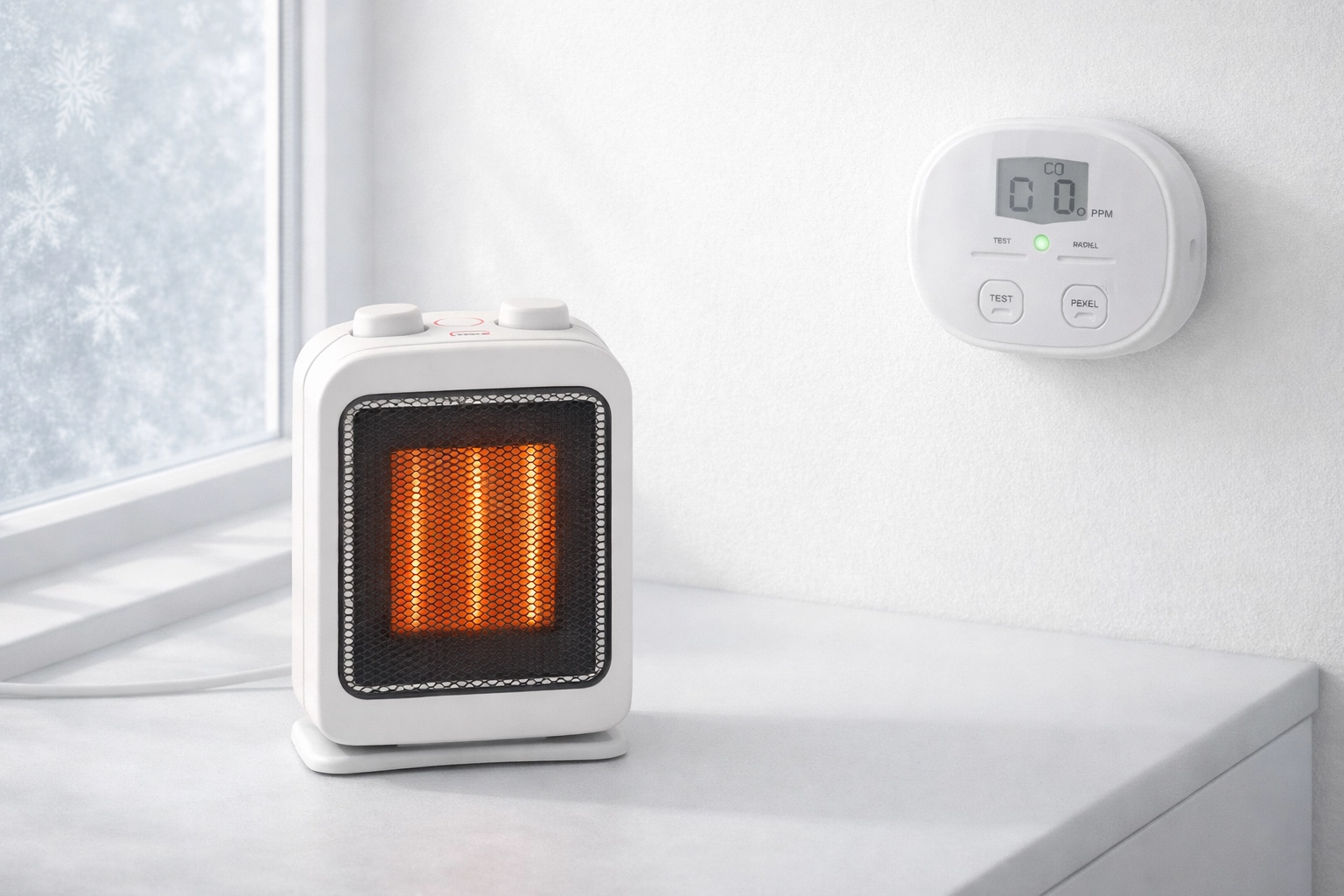
Test your safety essentials. Install smoke and carbon monoxide detectors on every floor and test them monthly. During winter outages, families often use alternative heating sources, so early detection matters more than ever.
Keep your vehicle's gas tank at least half full throughout winter. If you need to evacuate or warm up, a reliable car can be your short-term backup plan.
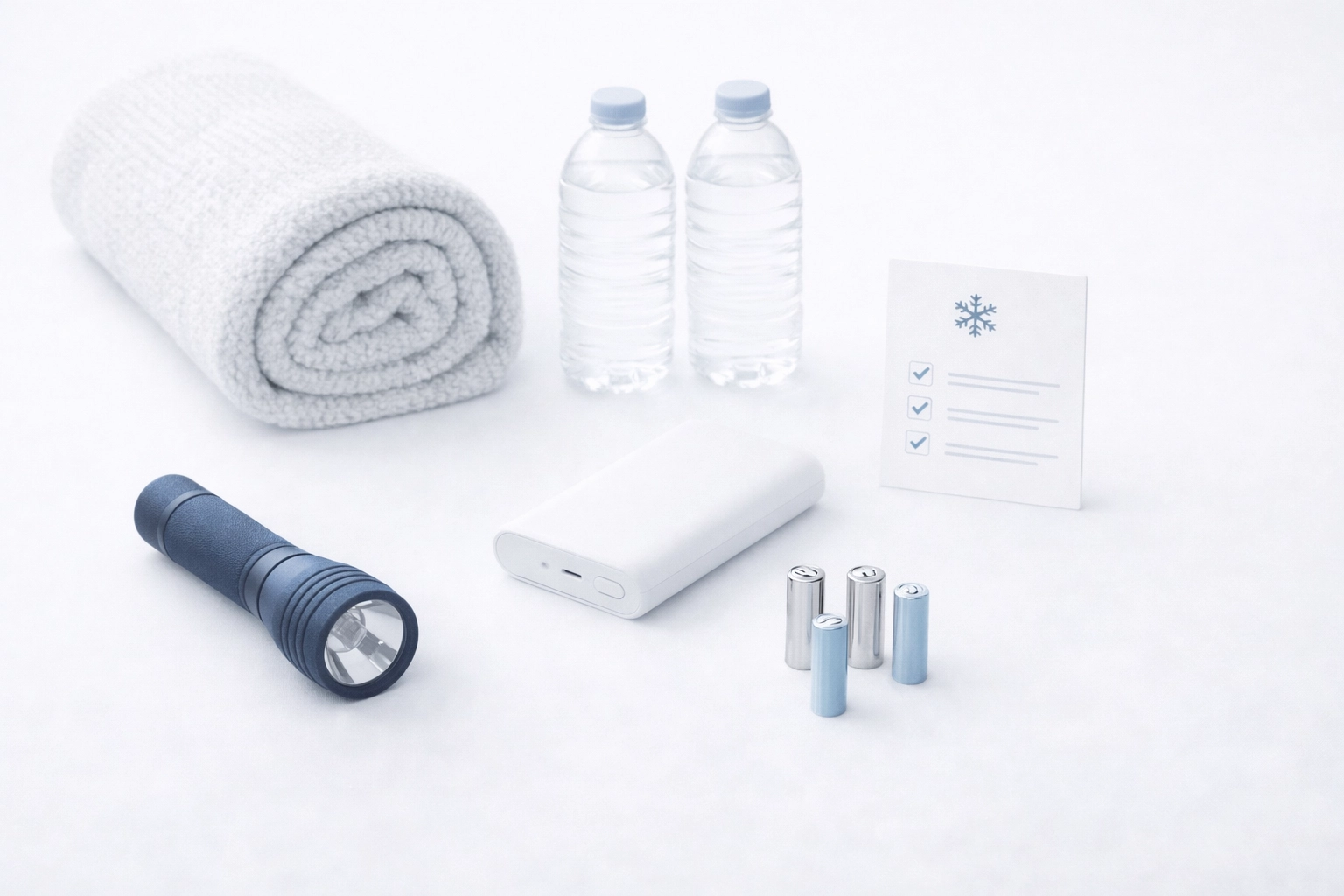
Harden your home before the outage. Do the basics early: charge phones and power banks, set flashlights where you can find them in the dark, and keep a simple emergency kit (blankets, water, shelf-stable food, key medications). If you travel, share a plan with a neighbor who can check on the house during extreme cold.
When the Lights Go Out: Immediate Actions
First 15 minutes matter. Switch off major appliances and electronics before power returns. This prevents circuit overloads and protects sensitive devices from voltage spikes. Leave one light switch on: you'll know instantly when power's restored.
Open faucets slightly to let water drip. Moving water freezes much slower than standing water. This simple trick has prevented countless burst pipe disasters.
Stay far from downed lines. Keep at least 35 feet away from any downed power lines: and anything they're touching. Even lines that look dead can be energized. Contact your utility immediately and warn neighbors to stay clear.
Staying Warm Without the Risk
Here's where people make dangerous mistakes. Desperation leads to bad decisions: like running generators indoors or using ovens for heat.
Safe heating options exist, but require strict rules. If you're using a portable propane heater, choose one rated specifically for indoor emergency use. Place it on a hard, fireproof surface away from children, pets, and anything flammable. Keep a window cracked for ventilation: carbon monoxide is invisible and deadly.
Never leave portable heaters running unattended or while sleeping. That's non-negotiable.
Seal every draft. Use towels, blankets, or plastic sheeting around windows and doors. Test for leaks with a candle: if the flame dances, you've found a problem spot. Even small gaps can drop indoor temperatures dramatically.
Create an insulated "warm zone" in one room. Hang blankets over doorways, pile on layers, and consider setting up a tent indoors with sleeping bags. It sounds extreme, but it works: and it's far safer than improvised heating.
The Biggest Winter Outage Vulnerabilities (and How to Reduce Them)
Winter outages create a predictable chain reaction: no heat, no lights, and limited visibility around your home. The most common “small problems that become big claims” usually come down to a few categories:
Freezing + pipes – Water expands as it freezes. One weak point can turn into a major leak.
Carbon monoxide – Alternative heat sources raise risk fast if ventilation is wrong.
Fire – Candles, space heaters, and overloaded extension cords create preventable ignition points.
Food + medication spoilage – A long outage can create health and budget headaches.
Restart damage – When power comes back, surges and sudden load can take out appliances.
That’s why the best strategy is simple: protect the home before the outage, stay safe during it, and prevent damage when power comes back on.
Winter-Proof Your Home Before the Next Outage
If you do nothing else, do these steps before the forecast turns ugly:
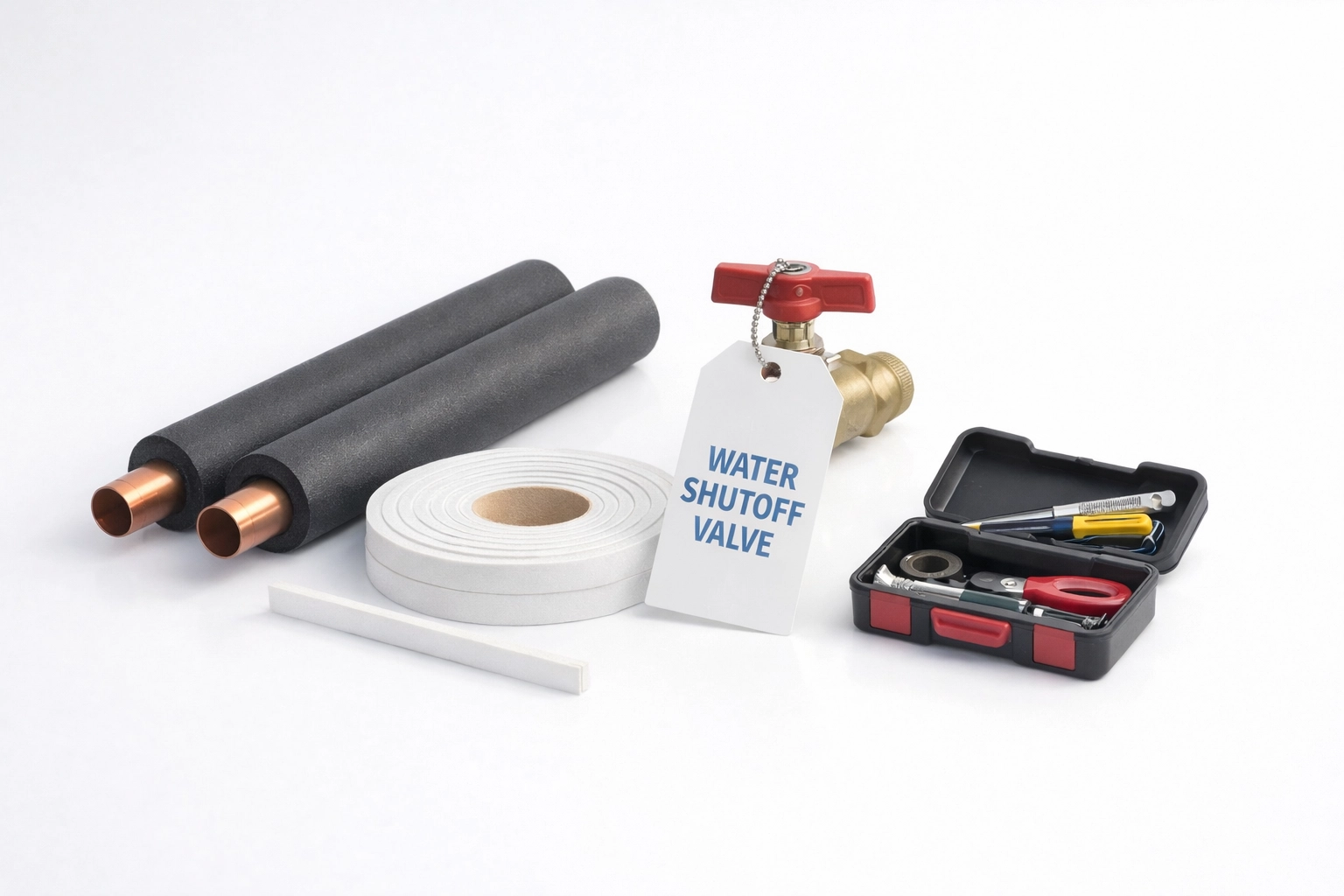
Know your shutoffs. Find and label your main water shutoff and know how to use it. In a pipe emergency, minutes matter.
Protect plumbing early. Insulate exposed pipes (basements, crawlspaces, garage walls). On extreme-cold nights, open sink cabinets on exterior walls to let warmer air circulate.
Stock safe basics. Flashlights, extra batteries, a charged power bank, blankets, shelf-stable food, bottled water, and key medications. Keep everything where you can reach it in the dark.
Have a family plan. Decide where everyone meets inside the home, who checks on neighbors, and how you’ll communicate if cell service gets spotty.
Your Winter Outage Action Plan
When the power drops, follow this sequence:
Confirm everyone is safe – Check on kids, older family members, and pets first
Turn off major appliances – Prevent surge damage when power returns
Protect your pipes – Open faucets to drip and open sink cabinets to let warm air circulate
Seal your warm zone – Focus heat and layers in one or two rooms
Preserve phone battery – Use low power mode and keep charging cables handy
Plan for the restart – Be ready for a cautious, step-by-step power return
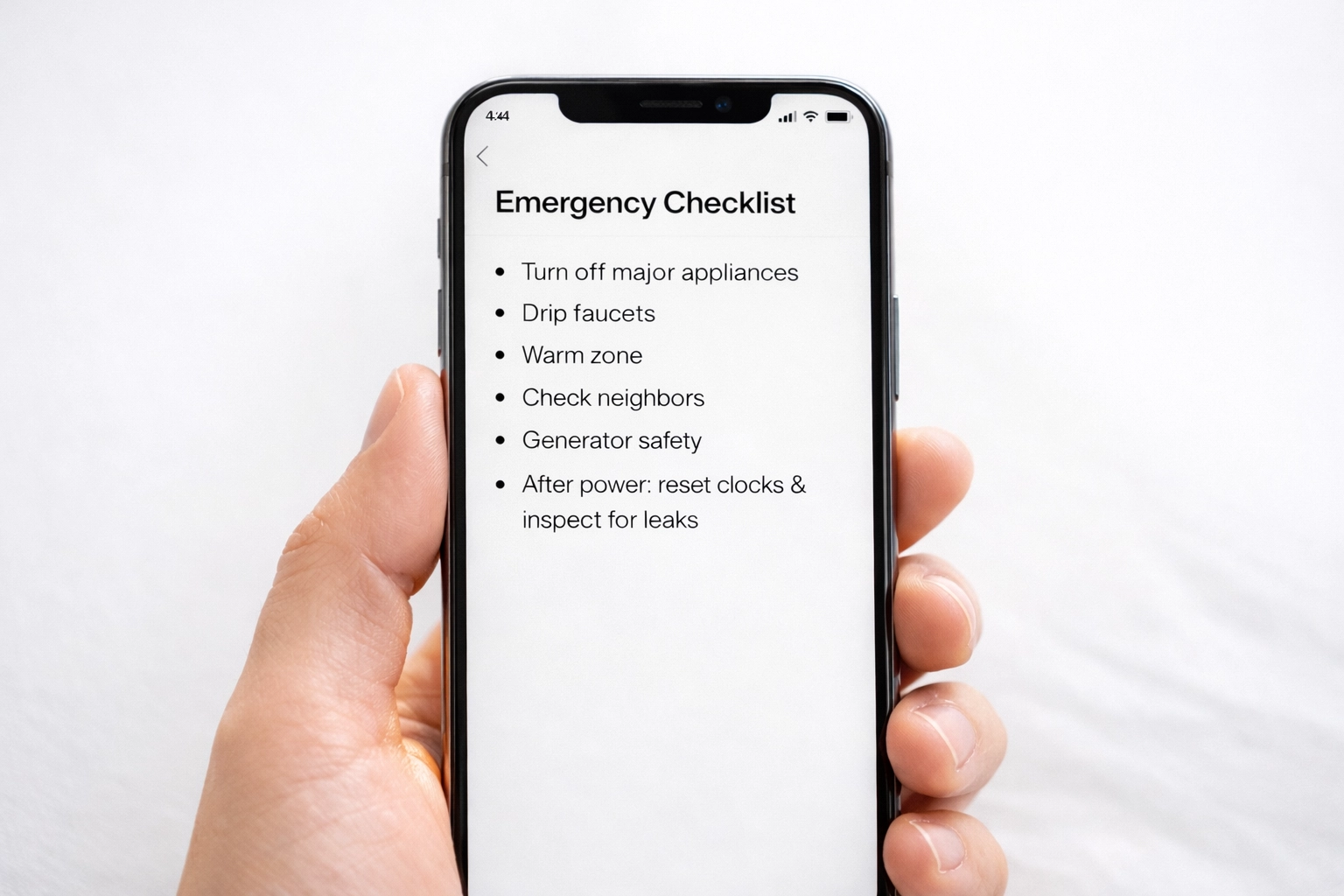
The difference between a minor inconvenience and a major insurance claim often comes down to those first few hours—and what you do right after the lights come back on. A calm plan beats improvisation every time.
Beyond Emergency Response
Here’s what separates cutting-edge home protection from traditional insurance: we reward proactive safety measures and practical preparedness. The homes that avoid the biggest losses aren’t “lucky.” They’re ready.
When winter weather threatens, you’re not gambling on improvisation. You’re following a clear plan, backed by comprehensive insurance coverage and concierge-style claims handling if the worst happens.
Power Goes Out: Here’s How to Protect Your Home Anyway
Winter power outages are inevitable. Property damage and safety risks don't have to be.
The old insurance model kicks in after the fact. Modernized home insurance: the kind Savvi delivers: is built around prevention, preparedness, and fast, human help when winter hits hard.
Focus on what you can control:
Before the outage: insulate, stock up, charge up, and create a family plan
During the outage: stay warm safely, protect pipes, and avoid risky heating shortcuts
After power returns: bring your home back online gradually, watch for leaks, and reset safety devices
Because when temperatures plummet and the lights go out, your family deserves a plan that’s clear, practical, and built for real life.
Ready to upgrade your home protection beyond the old guard? Explore how Savvi delivers proactive peace of mind for winter—and every season.
Comments